Bingo Across Generations: How Age Shapes the Game’s Charm

Bingo Across Generations: How Age Shapes the Game’s Charm
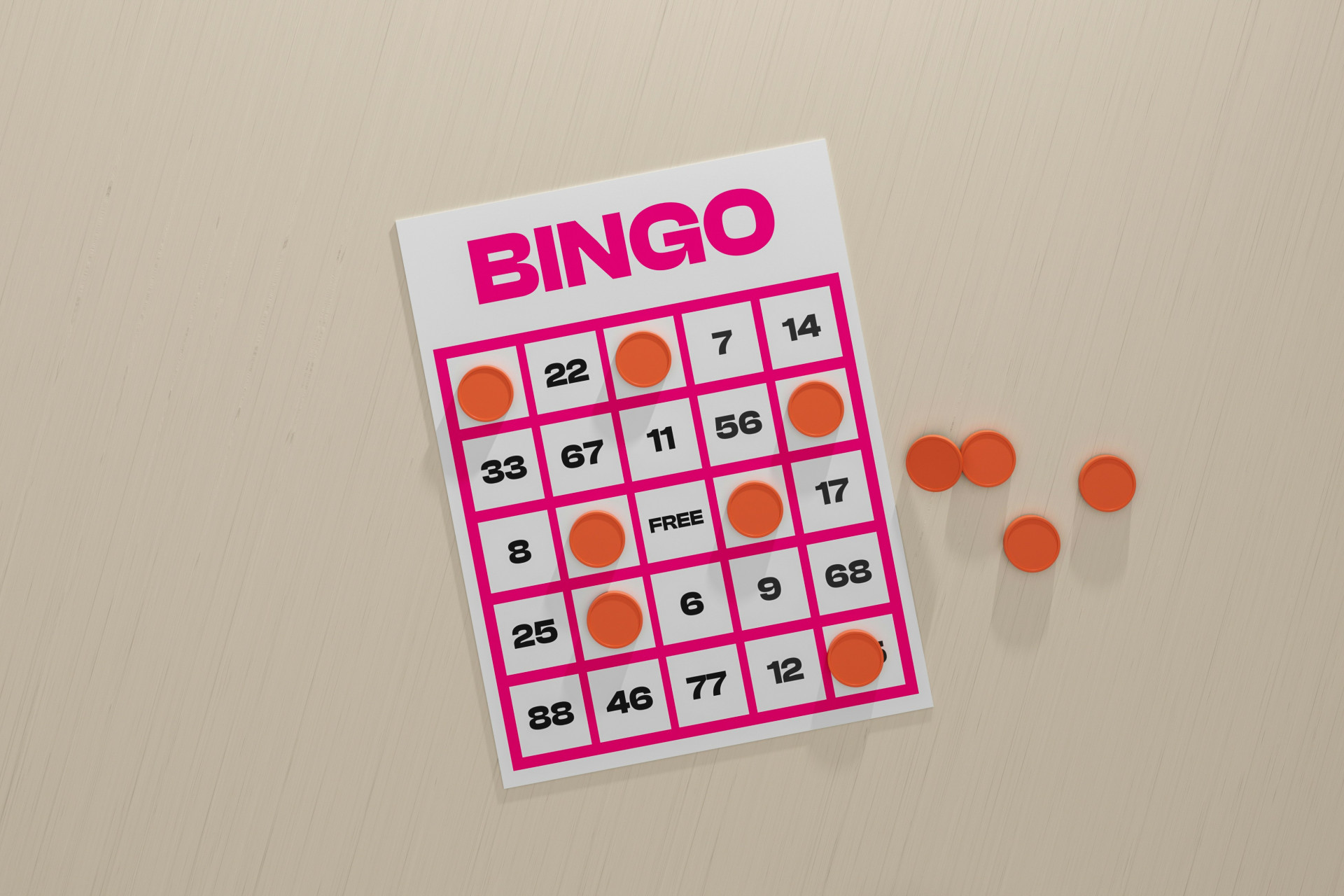
At first glance, bingo seems simple: numbers are called, cards are marked, and excitement builds until someone shouts “Bingo!”. Yet behind the numbered squares lies a game that has travelled through generations, adapting to the times while keeping its familiar rhythm. For some, it’s a cherished social ritual; for others, a nostalgic pastime or a fresh form of entertainment. Bingo’s enduring charm lies in how it changes with us.
A Game with Deep Roots
Bingo’s origins stretch back centuries, but in Britain it truly took hold in the mid-20th century. After the Second World War, it became a staple of community life, filling church halls, working men’s clubs, and seaside resorts. The game offered affordable fun and a sense of belonging. For many older Britons, memories of smoky bingo halls, the rustle of paper cards, and the friendly banter of the caller are woven into the fabric of everyday life.
For this generation, bingo is more than a game of chance. It’s a social anchor – a weekly ritual that brings people together. The thrill of waiting for that final number is matched only by the comfort of familiar faces and the shared laughter that fills the room.
The Younger Generation’s Revival
In recent years, bingo has made a surprising comeback among younger players – but in reinvented forms. “Bongo’s Bingo” nights, themed events, and online platforms have transformed the game into a lively, often tongue-in-cheek experience. Music, lights, and prizes ranging from quirky to extravagant have turned bingo into a night out rather than a quiet pastime.
For millennials and Gen Z, bingo carries a sense of irony and nostalgia. It’s a playful nod to their grandparents’ generation, reimagined for a digital and social age. Where once players sat with dabbers and paper cards, today’s participants might be holding a smartphone in one hand and a cocktail in the other. The essence of the game remains, but the atmosphere – and the purpose – have evolved.
Bridging the Generational Gap
One of bingo’s greatest strengths is its ability to bring people together across ages. The rules are simple, the pace is inclusive, and the excitement is universal. Families can play together at home, and communities can gather in local halls or online chatrooms. In a world where entertainment often divides by age, bingo remains one of the few activities that unites rather than separates.
When a grandparent and grandchild sit side by side, each with their own card, the years between them seem to fade. The shared anticipation, the laughter at near misses, and the joy of a win create a space where age doesn’t matter. That’s the quiet magic of bingo – it connects people through simple, shared moments.
Læs også:


From Halls to Screens – The Same Heartbeat
Technology has reshaped how we play. Online bingo sites and mobile apps have made it possible to join a game at any time, from anywhere. For some older players, this shift has been a challenge; for others, it’s a welcome way to stay connected. Many online platforms include chat features, allowing players to talk and joke as they would in a traditional hall – a digital version of the community spirit that has always defined the game.
For younger players, the digital format feels natural. It fits into their fast-paced lives, offering a quick burst of fun and connection. Whether played in a bustling hall or on a quiet evening at home, bingo continues to deliver that same pulse of anticipation.
Why Age Matters
Age shapes how we experience bingo because it reflects what we seek from play and community. Older generations often value the tradition, routine, and companionship the game provides. Younger players are drawn to its energy, humour, and social buzz. Yet both find joy in the same thing: the shared experience of being part of something.
Bingo, then, is more than a pastime. It’s a mirror of life’s stages – from youthful excitement to the comfort of familiarity. No matter our age, we can all find a little thrill, a little laughter, and a sense of belonging in those numbered squares.
Læs også: