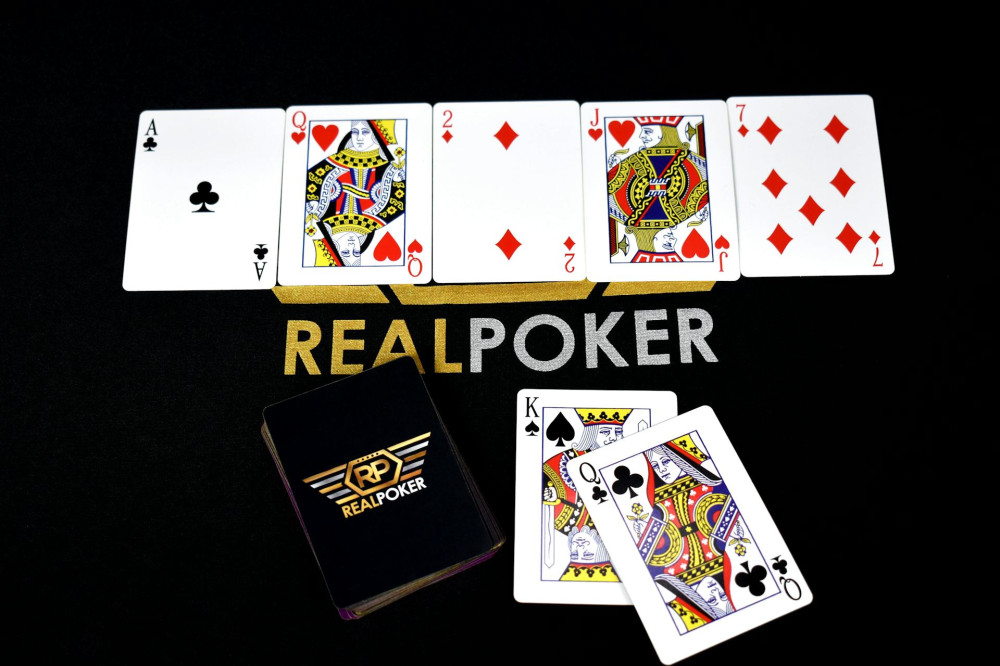
Find the game with the perfect balance between simplicity and depth


Find the game with the perfect balance between simplicity and depth
When searching for the ideal game – whether it’s a classic casino favourite, a board game, or a digital strategy title – the key often lies in finding the perfect balance between simplicity and depth. A great game should be easy to grasp, yet rich enough to keep you coming back. It’s in this delicate balance that the most enduring games are born.
Why balance matters
A game that’s too simple quickly loses its charm. Once you’ve mastered the rules and understood the basic strategy, the excitement fades. On the other hand, a game that’s overly complex can feel intimidating and discourage new players. The perfect balance ensures that you feel competent from the start, while still leaving room to grow and improve.
This balance is particularly evident in casino games. Titles like blackjack and roulette are straightforward to learn, yet they offer layers of strategy that can be explored for years. That’s precisely why they’ve stood the test of time and continue to attract both beginners and seasoned players across the UK and beyond.
Simplicity: The power of accessibility
Simplicity isn’t just about having few rules – it’s about clarity. A good game should be explainable in minutes, allowing players to dive straight in. This applies to everything from traditional card games to modern online versions.
In the casino world, slot games are a prime example. They require no prior knowledge – you simply spin the reels and see what happens. This instant accessibility is what makes them so popular. However, their simplicity can also mean they lack the strategic depth that keeps players engaged over the long term.
Læs også:




Depth: Where strategy comes alive
Depth emerges when a game rewards experience, reflection, and skill. It might come from probability, tactical decision-making, or reading your opponents. In blackjack, for instance, players can learn to make statistically sound decisions or even explore advanced strategies like card counting. In poker, success often depends on psychology, timing, and emotional control.
This kind of depth makes a game feel alive. Every round becomes a new opportunity to improve, and players gain a sense of mastery – even in games where luck plays a major role.
Examples of games with the right balance
- Blackjack – A timeless classic. The rules are simple, but the strategy can be refined endlessly.
- Poker – Combines mathematics, psychology, and intuition. Easy to learn, but difficult to master.
- Roulette – Straightforward mechanics, yet countless ways to bet and calculate risk.
- Baccarat – Blends quick decisions with a deeper understanding of probability.
These games share a common trait: they can be enjoyed casually or approached with serious strategy. They’re accessible to everyone, yet they reward those who take the time to learn their nuances.
Finding your perfect game
Ultimately, finding the game with the right balance comes down to personality. Some players thrive on fast, intuitive gameplay, while others prefer to immerse themselves in complex systems. Try different types of games and notice what motivates you most – the thrill, the strategy, or the social interaction.
A good approach is to start simple and build from there. Once you’ve found a game that captures your interest, you can gradually explore its more advanced aspects. That way, you’ll enjoy both the fun of playing and the satisfaction of improving.
Games that stand the test of time
The games that endure are those that combine the best of both worlds. They’re easy to learn but hard to master. They offer something for both newcomers and experts – and that’s what makes them timeless.
Whether you play for entertainment, challenge, or the chance of a win, it’s this balance that keeps the experience engaging. When simplicity meets depth, the magic happens – and the game becomes more than just a pastime.
Læs også: