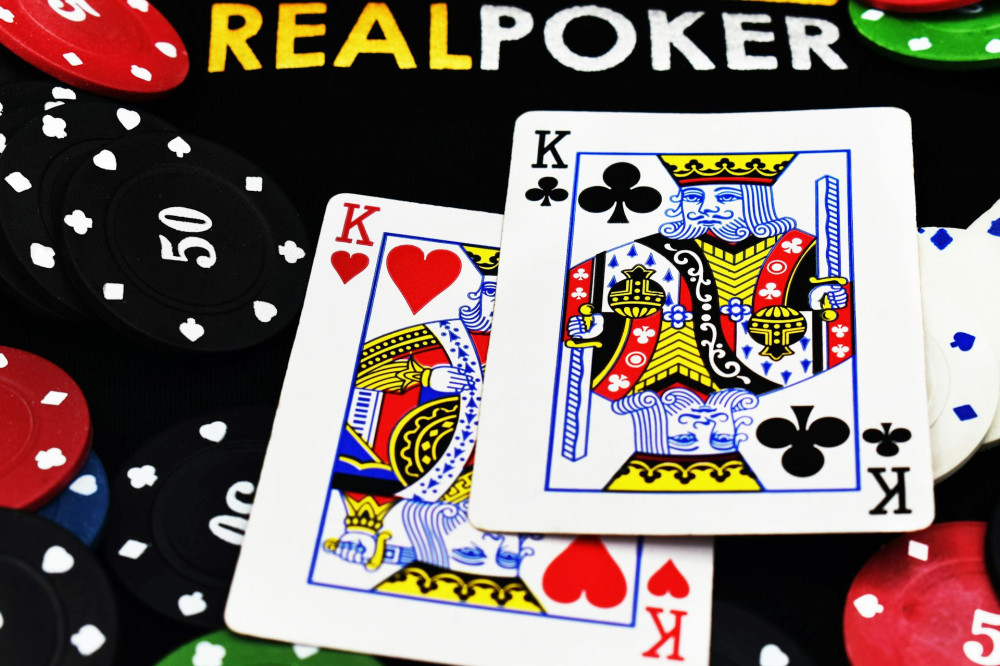
How Much Are You Willing to Bet? How to Assess Your Risk Appetite in Poker


How Much Are You Willing to Bet? How to Assess Your Risk Appetite in Poker
Poker isn’t just a game of cards – it’s a game of people, psychology, and calculated risk. Whether you’re sitting at a live table in a London casino or playing online from your sofa, your willingness to take risks plays a huge part in your success. But how do you know how risk-tolerant you really are, and how can that knowledge help you become a better player? Here’s a guide to understanding and assessing your own risk appetite in poker.
What Does Risk Appetite Mean in Poker?
Your risk appetite is essentially how much uncertainty you’re comfortable with in pursuit of potential reward. In poker, it shows up in how often you bluff, how aggressively you bet, and how willing you are to commit chips when your hand isn’t perfect.
Some players thrive on pressure, pushing opponents with bold moves and big bets. Others prefer a more cautious approach, waiting patiently for strong hands. Neither style is inherently right or wrong – what matters is knowing yourself and finding a strategy that fits your temperament.
Know Your Own Limits
A good starting point is to observe how you react when the stakes rise. Do you feel anxious when the pot grows, or does the tension sharpen your focus? Emotions like fear and excitement can influence your decisions more than you might realise.
Ask yourself:
- How comfortable am I with losing a big hand?
- Do I become overly cautious when I’m ahead?
- Do I chase losses by taking unnecessary risks?
Recognising these patterns helps you adjust your play and keep emotions from taking control.
Balancing Courage and Caution
The best poker players aren’t necessarily the ones who take the most risks – they’re the ones who take the right risks. Risk appetite should always be balanced with logic and analysis.
An aggressive style can yield big rewards, but only if you read your opponents well and understand the odds. On the other hand, playing too conservatively can make you predictable and easy to exploit.
A useful rule of thumb is to take calculated risks: play assertively when you have a strategic edge, and fold when the odds are against you. It’s not about avoiding risk altogether, but about managing it intelligently.
Learn from Your Decisions – Not Just the Results
Many players judge their success by whether they won or lost a hand. But in poker, you can make the right decision and still lose – or make a poor one and get lucky. That’s why it’s crucial to focus on the quality of your decisions rather than short-term outcomes.
After a session, review your key hands and ask yourself:
- Was my decision based on logic or emotion?
- Did I have enough information before acting?
- Would I make the same choice again?
This kind of reflection helps you identify when you’re taking unnecessary risks and when you’re playing too defensively.
Adjust Your Risk Appetite to the Situation
Your risk appetite doesn’t have to be fixed. In tournaments, where blinds increase and survival matters, you may need to take bigger risks to stay in the game. In cash games, you can afford to be more patient, since you can always buy back in.
The table dynamic also matters. If you’re surrounded by aggressive players, tightening up can be wise. If the table is passive, you can afford to apply more pressure. Flexibility is key – it’s about adapting your risk level to the context.
Læs også:




How to Train Your Risk Appetite
Risk tolerance can be developed over time. You can train it by gradually challenging yourself:
- Try bluffing in low-stakes situations where losses are manageable.
- Play smaller games to experiment without financial pressure.
- Practise accepting losses as a natural part of the game.
The more experience you gain, the better you’ll become at judging when a risk is worth taking – and when it’s not.
Know Yourself – and Play Accordingly
Ultimately, understanding your risk appetite is about self-awareness. Poker is as much about psychology as it is about strategy, and your personality plays a bigger role than you might think. When you know your own limits and strengths, you can play more consciously – and more successfully.
So ask yourself: how much are you really willing to bet? The answer might just be the key to taking your game to the next level.
Læs også: