Lotteries That Changed the World: Games with Historical and Cultural Significance

Lotteries That Changed the World: Games with Historical and Cultural Significance
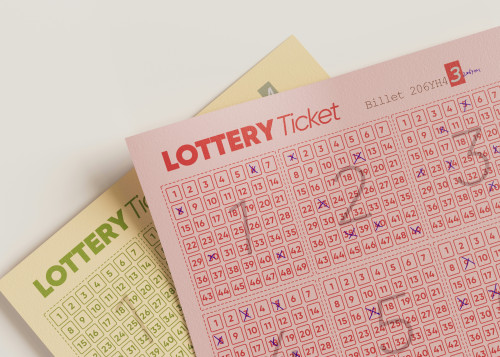
When most people think of lotteries today, they imagine the thrill of a life-changing jackpot – a new home, financial freedom, or the chance to travel the world. Yet throughout history, lotteries have been far more than a route to personal fortune. They have built cities, funded education, supported the arts, and even shaped national identities. This article explores some of the lotteries that changed the world – and why they continue to hold cultural significance today.
From Renaissance Cities to Modern Nations
The origins of organised lotteries can be traced back to 15th- and 16th-century Europe. In cities such as Florence, Bruges, and Paris, public draws were used to raise funds for civic projects – from fortifications and bridges to hospitals and churches. In an age when taxation was unpopular and state coffers were often empty, lotteries offered a creative solution: citizens could voluntarily buy a chance at wealth while contributing to the common good.
One of the oldest surviving examples is the Dutch Staatsloterij, founded in 1726 to combat illegal gambling and generate revenue for the state. It remains active today and inspired many later national lotteries, including those in Britain. The principle was simple but powerful: entertainment and public benefit could go hand in hand.
Læs også:


The Lottery That Helped Build America
When European settlers established colonies in North America, lotteries became a vital source of funding. With limited tax income, colonial governments used them to build roads, ports, libraries, and universities. Harvard, Yale, and Princeton all benefited from lottery proceeds in the 18th century.
Even George Washington was involved in organising a lottery to fund a road through the Allegheny Mountains, though it ultimately failed to raise the necessary funds. Still, lotteries became deeply embedded in American culture, symbolising both opportunity and the spirit of self-reliance that defined the new nation.
Britain’s National Lottery and the Public Good
In the United Kingdom, the modern National Lottery was launched in 1994, reviving a centuries-old tradition of using games of chance to support public causes. Within its first decade, it had raised billions of pounds for projects across the country – from restoring historic landmarks to funding Olympic athletes and community arts programmes.
The National Lottery’s “Good Causes” fund has since become one of the largest sources of charitable and cultural funding in the UK. Every ticket sold contributes to initiatives that enrich public life, from local sports clubs to major scientific research. It is a model that reflects Britain’s long-standing belief in balancing individual aspiration with collective benefit.
Lotteries as Cultural Symbols
Beyond their economic impact, lotteries have left a deep imprint on culture. They have inspired writers, painters, and filmmakers, often as metaphors for fate, chance, and the human desire for transformation. The idea that a single ticket could change one’s destiny has fuelled countless stories – from moral tales about greed to comedies about sudden fortune.
Lotteries have also created shared rituals: the weekly draw, the suspense of waiting for the numbers, and the conversations about what one would do if they won. These moments of collective anticipation connect people across social divides, offering a brief, shared dream of possibility.
Debate and Responsibility
Despite their benefits, lotteries have long been the subject of debate. Critics argue that they can disproportionately affect lower-income players, who may spend more in the hope of a life-changing win. Others question whether governments should rely on gambling revenue to fund public services.
In response, the UK and many other countries have introduced strict regulations to promote responsible play. The National Lottery and other operators now invest heavily in education, prevention, and support for those affected by problem gambling. The goal is to ensure that lotteries remain a safe and positive form of entertainment.
A Living Legacy
From Renaissance city-states to the digital age, lotteries have evolved dramatically, but their essence remains the same: they combine the dream of fortune with a contribution to the common good. They have financed bridges, universities, and cultural institutions, while giving millions of people a moment of hope and excitement.
When someone in Britain buys a lottery ticket today, they are taking part in a tradition that spans more than five centuries – one that has shaped societies, supported creativity, and reflected humanity’s enduring fascination with luck, change, and community.
Læs også: