House Edge Explained: Differences Between European, American and French Roulette

House Edge Explained: Differences Between European, American and French Roulette
Roulette is one of the most iconic casino games in the world – a blend of luck, excitement and simple strategy. Yet, while the spinning wheel may look the same everywhere, there are actually several versions of the game, each with its own rules and odds. The three most common are European, American and French roulette. The differences between them may seem minor, but they have a major impact on the house edge – the built-in advantage that ensures the casino always has the upper hand in the long run.
What Does “House Edge” Mean?
The house edge represents the average percentage of each bet that the casino expects to keep over time. It’s calculated as the difference between the true odds of winning and the payout offered to players. The lower the house edge, the better the game is for the player.
In roulette, the house edge is mainly determined by how many pockets are on the wheel and how the rules treat the zero pockets. This is where the three main versions differ most clearly.
European Roulette – The Classic and Most Balanced Version
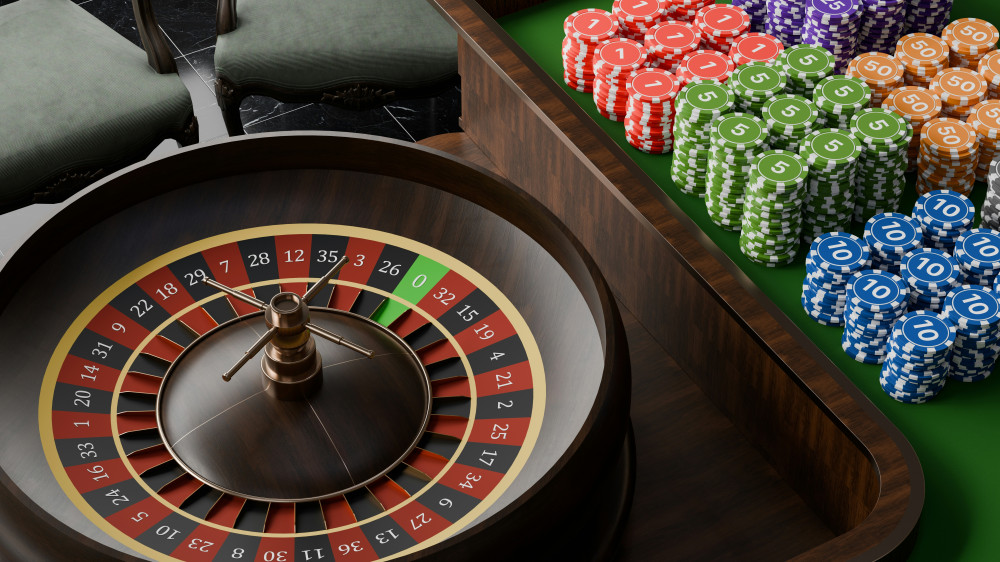
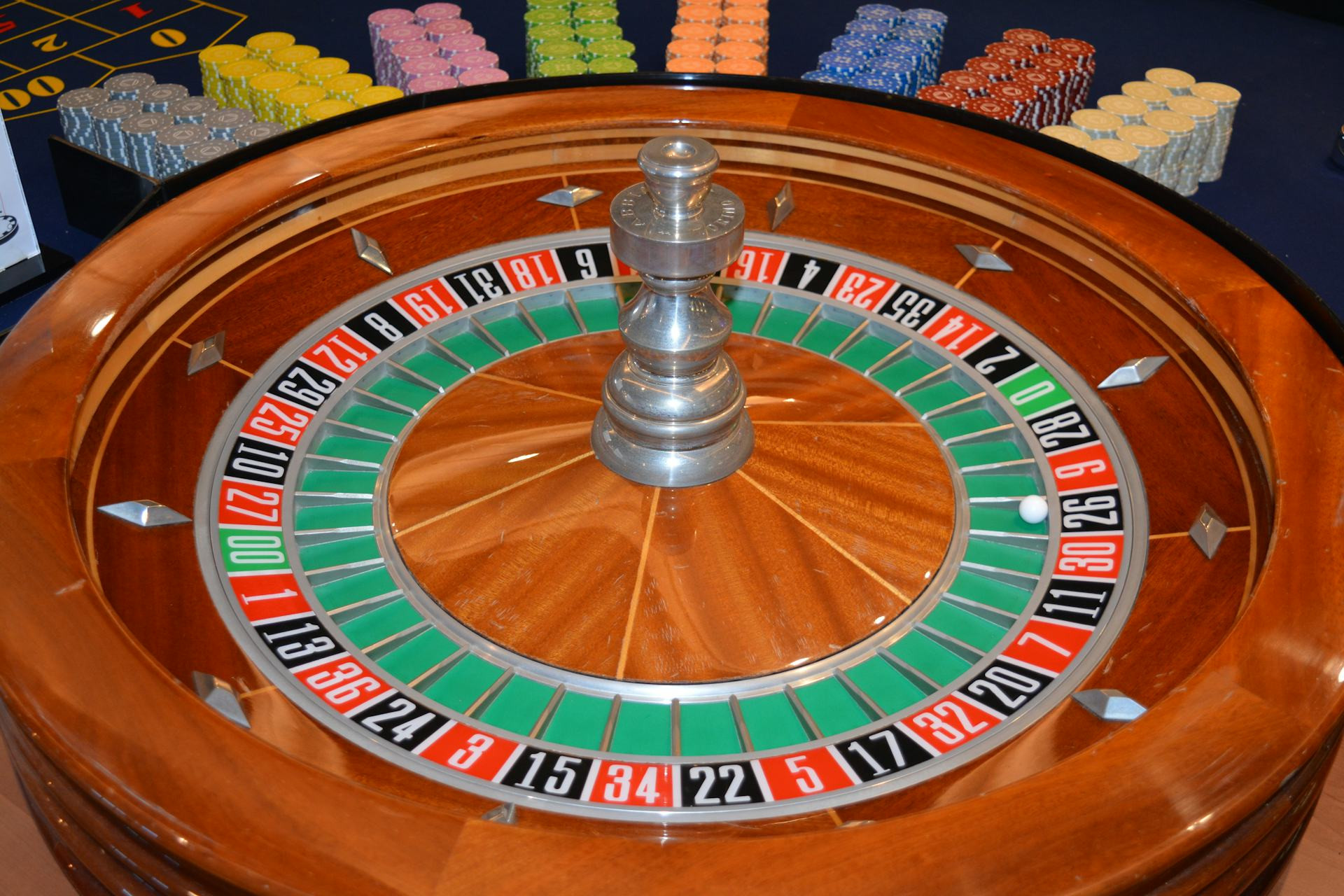
European roulette is the standard version found in most UK and European casinos, both online and in person. The wheel has 37 pockets: numbers 1 to 36 plus a single green zero (0). The green zero is what gives the house its edge, as it doesn’t belong to any of the red/black or even/odd categories.
The house edge in European roulette is 2.7%, which makes it one of the fairest casino games available. If you bet on red, your chance of winning is close to 50%, but not quite – the single zero slightly tips the odds in favour of the house.
American Roulette – An Extra Zero, a Bigger Edge
American roulette looks almost identical to the European version, but there’s one key difference: it has 38 pockets. In addition to numbers 1 to 36 and the single zero (0), it also includes a double zero (00). This extra pocket increases the likelihood that the ball will land on a zero, which in turn increases the house edge.
The house edge in American roulette is 5.26% – nearly double that of the European version. Over time, this means players lose more per bet on average. For that reason, American roulette is generally less favourable for players and is best chosen for variety rather than value.
French Roulette – Subtle Rules, Better Odds
French roulette is very similar to European roulette, as it also features 37 pockets with a single zero. The main difference lies in the special rules that can make it more advantageous for players. Two particular rules stand out:
- La Partage: If you place an even-money bet (such as red/black or odd/even) and the ball lands on zero, you get half of your stake back.
- En Prison: In some versions, if the ball lands on zero, your even-money bet is “imprisoned” for the next spin. If your bet wins on the next spin, you recover your full stake.
These rules reduce the house edge on even-money bets to around 1.35%, making French roulette the most player-friendly version of the game. It’s especially appealing to those who prefer a slower, more strategic style of play.
Comparison: Which Version Should You Choose?
| Variant | Number of Pockets | House Edge | Special Rules | |----------|------------------|-------------|----------------| | French Roulette | 37 | ~1.35% (on even-money bets) | La Partage / En Prison | | European Roulette | 37 | 2.7% | None | | American Roulette | 38 | 5.26% | Double zero (00) |
If you have the choice, French roulette offers the best odds mathematically. European roulette is a solid second option and widely available in UK casinos. American roulette, while popular in the United States, is less favourable for players due to its higher house edge.
Læs også:



Strategy and Responsible Play
Roulette is ultimately a game of chance, but understanding the rules and the house edge can help you make smarter decisions. Always choose the version with the lowest house edge, and set clear limits on how much you’re willing to spend. Roulette should be about entertainment, not profit.
Knowing the differences between European, American and French roulette is the first step towards playing more responsibly – and enjoying the game for what it truly is: a timeless casino classic.
Læs også: