Practise Risk-Free: Learn How to Place Roulette Bets Correctly

Practise Risk-Free: Learn How to Place Roulette Bets Correctly
Roulette is one of the most iconic casino games – a blend of luck, excitement, and a touch of strategy. Yet for many beginners, understanding how to place bets correctly can feel confusing. What do “red” and “black” really mean? What’s the difference between a “straight up” and a “split”? And how can you practise without risking your money? Here’s a guide to help you learn how to place roulette bets correctly – completely risk-free.
Understanding the Roulette Table
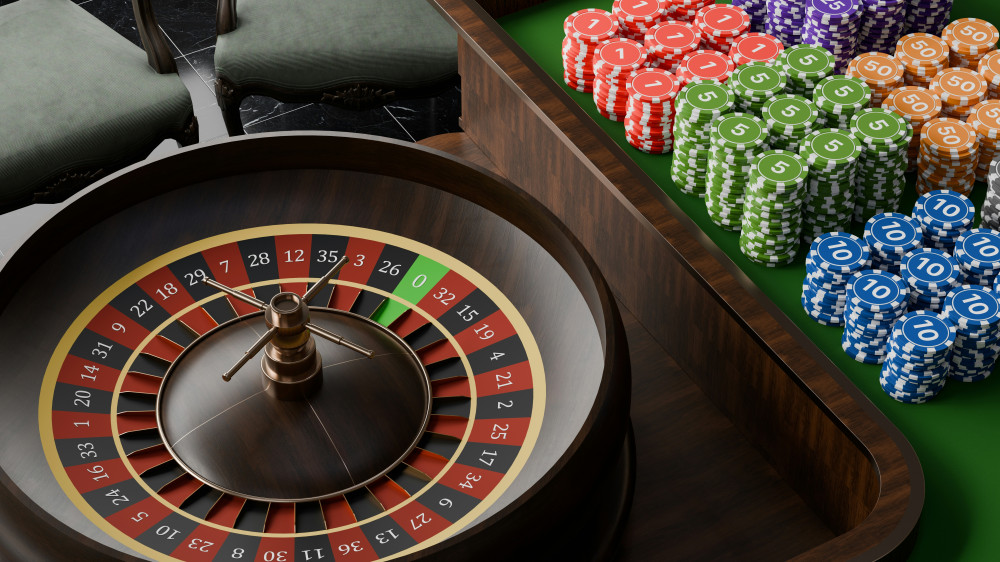
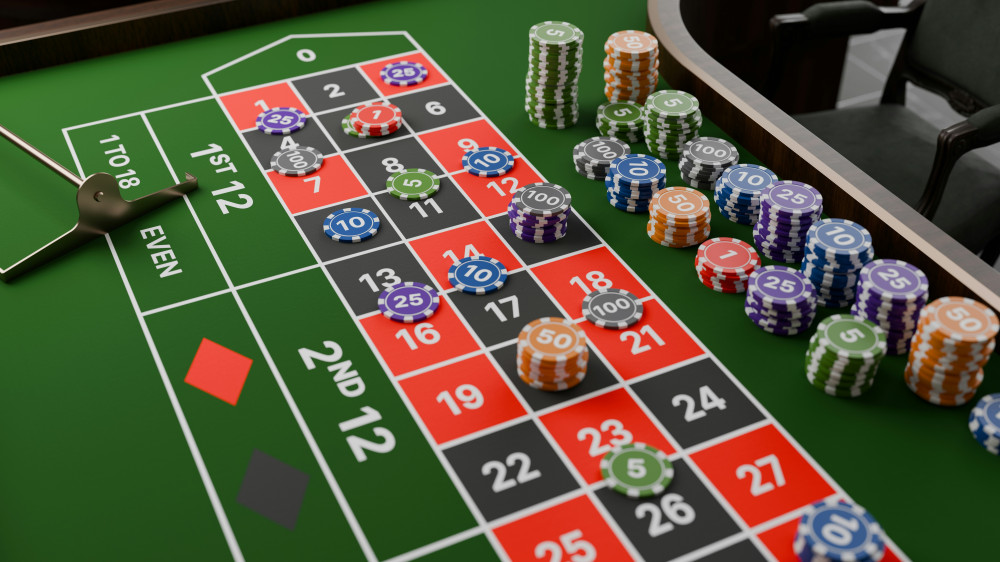
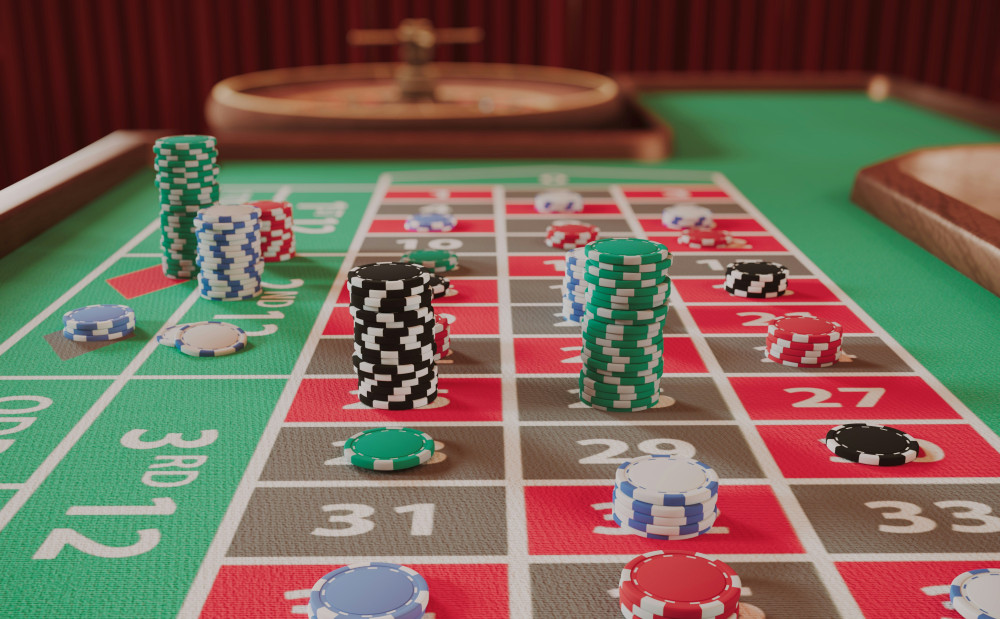
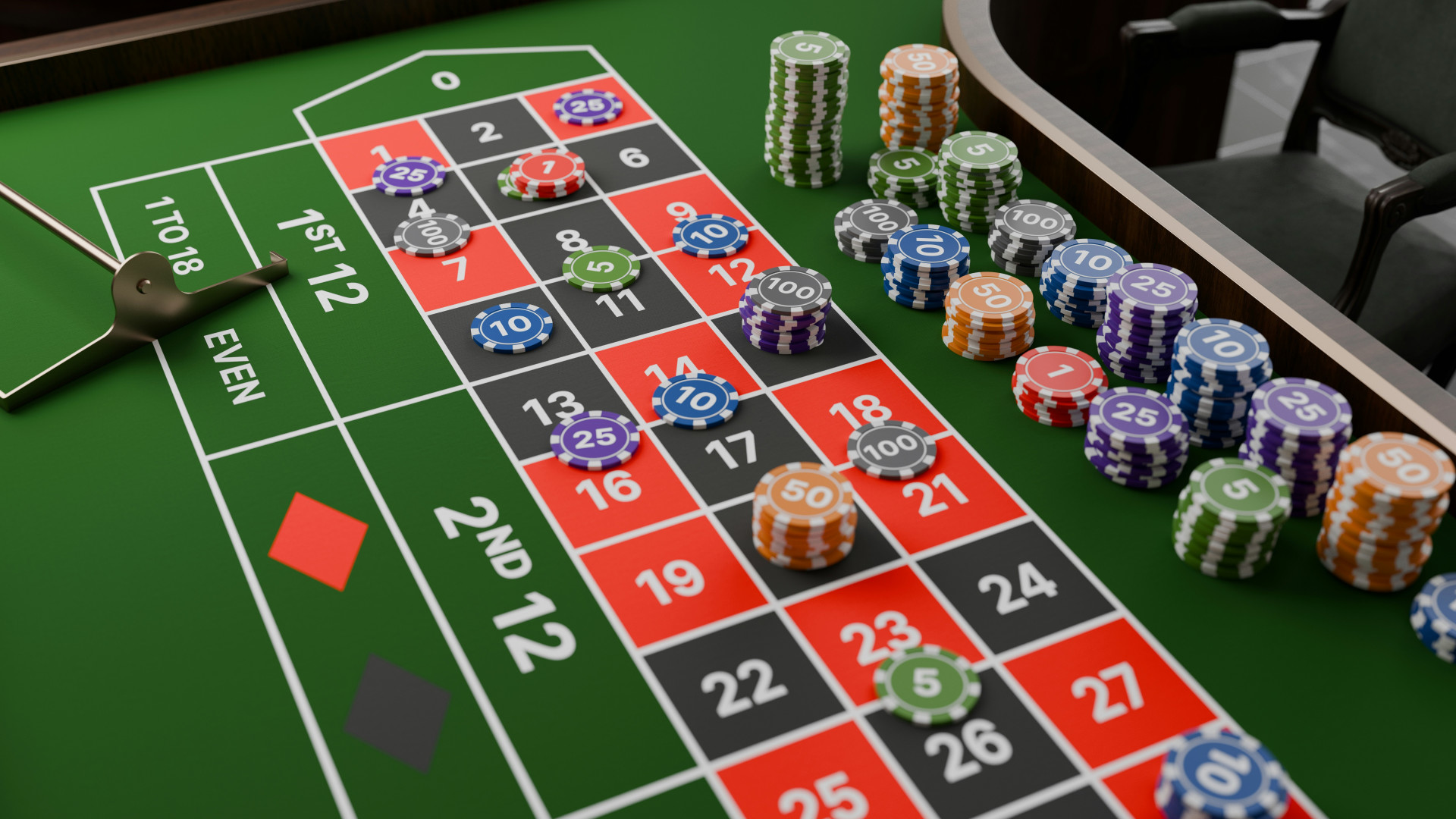
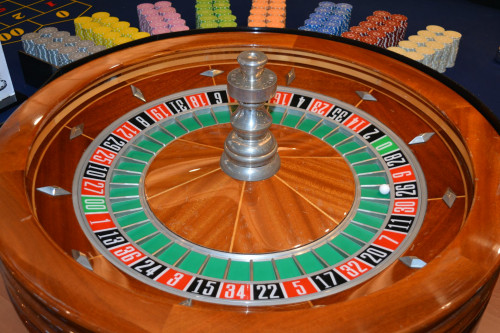
A roulette table has two main parts: the wheel and the betting layout. The wheel in European roulette has 37 pockets numbered 0–36, while the layout displays the same numbers along with various betting options.
- Inside bets: These are bets placed directly on specific numbers or small groups of numbers. They offer higher payouts but lower chances of winning.
- Outside bets: These cover larger groups of numbers, such as red/black, odd/even, or high/low. They pay less but win more often.
Knowing the difference between inside and outside bets is the first step to understanding how the game works.
The Most Common Bets
Roulette offers a wide range of betting options, but some are particularly good for beginners:
- Straight up – a bet on a single number. Payout: 35:1.
- Split – a bet on two adjacent numbers. Payout: 17:1.
- Street – a bet on three numbers in a row. Payout: 11:1.
- Corner – a bet on four numbers that meet at one corner. Payout: 8:1.
- Red/Black, Odd/Even, 1–18/19–36 – the classic outside bets. Payout: 1:1.
Once you understand how these bets work, you can start combining them and developing your own approach.
Practise Without Risk
The best way to learn roulette is by practising – but without using real money. Many online casinos and gaming platforms offer demo modes, where you can play with virtual chips. This allows you to experiment with different bets and see how the game responds, all without any financial risk.
You can also find free roulette simulators online. These often let you adjust the speed, view statistics, and explore how probabilities play out in real time. It’s a great way to build confidence and get a feel for the rhythm of the game.
Learn to Read the Table
Even when practising, it’s useful to learn how to “read” the table. Watch how the ball lands and how other players place their bets. Although roulette is ultimately a game of chance, observing patterns and timing can help you understand the flow of play.
A good tip is to practise placing your bets quickly and accurately. In a real casino, you only have a short window between spins, so knowing the layout and your preferred betting spots can make a big difference.
European vs American Roulette
When practising, it’s important to know which version of roulette you’re playing.
- European roulette has a single zero (0) and gives the house an edge of 2.7%.
- American roulette includes both 0 and 00, increasing the house edge to 5.26%.
If you want the best odds, choose the European version – it’s the most common in the UK and across Europe, both in physical casinos and online.
Læs også:



Focus on Responsible Play
Even when practising risk-free, remember that roulette is a game of chance. No strategy can guarantee a win, and it should always be seen as entertainment, not a way to make money.
When you eventually decide to play for real, set a budget and stick to it. Practising isn’t just about learning the mechanics – it’s also about developing a healthy attitude towards gambling.
From Practice to Play
Learning how to place roulette bets correctly is about understanding the structure, probabilities, and pace of the game. By practising risk-free, you can build confidence and familiarity so that when you sit at a real table – online or in person – you’ll feel prepared and relaxed.
Roulette is meant to be enjoyed. Once you know the rules and have practised in your own time, the experience becomes far more fun and rewarding.
Læs også: